Vintage Streetwear Outfits 2026: The Real Y2K Playbook


Vintage streetwear outfits in 2026 are built around baggy denim, oversized jerseys, embroidered logo pieces and workwear-inspired pants layered with confidence, not just thrown together. If you grew up on early-2000s style or you’re discovering it now through reruns and reissues, the formula is simpler than it looks. At FUBU, we build our whole range around this exact idea, so this guide breaks down how to actually wear it.
Key takeaways
- Vintage streetwear outfits rely on proportion, texture and embroidered hardware rather than piling on trends at once
- Carpenter and cargo pants from the FUBU jeans collection give more bottom options than straight denim alone
- Oversized jerseys work best when the rest of the outfit stays simple and dark
- A denim jacket layered over a hoodie or jersey adds structure without covering the outfit’s focal point
- Use the 60/30/10 ratio (base, bottom, outer layer) to keep vintage streetwear outfits balanced instead of cluttered
This isn’t a costume exercise. Good vintage-inspired fits feel lived-in and current, not like a Halloween throwback. The trick is picking a handful of anchor pieces and letting them do the work, rather than piling on every Y2K trope at once.
What Makes an Outfit Read as Vintage Streetwear in 2026
Three things separate a genuine vintage streetwear outfit from a generic baggy fit: proportion, texture and hardware. Proportion means volume on top or bottom, never both maxed out at once. Texture means washed denim, brushed fleece or ribbed jersey knit, something with visible surface interest. Hardware means embroidered logos, contrast stitching or metal snaps that give a piece a made-to-last feel instead of a printed-tee flatness.
FUBU pieces lean into all three. A washed denim jacket, an oversized jersey, or a pair of carpenter pants with embroidered detailing all check those boxes without trying too hard. That’s the baseline you’re working from with any outfit you put together this year.
Building Vintage Streetwear Outfits Around Denim
Denim is still the backbone of most Y2K-inspired fits, and 2026 is leaning back toward straight and slightly baggy fits rather than super-skinny cuts. Carpenter pants with the hammer loop and cargo pockets are doing a lot of heavy lifting right now, worn slightly long and stacked over the shoe.
If you want a starting point, the FUBU jeans collection covers straight-leg denim, carpenter styles and cargo pants, so you’re not limited to one silhouette. Pair a washed straight-leg pair with a fitted tee for a cleaner look, or go carpenter pants plus an oversized hoodie for something more relaxed. Either way, the denim should look worn, not stiff.
Oversized Jerseys as the Statement Piece
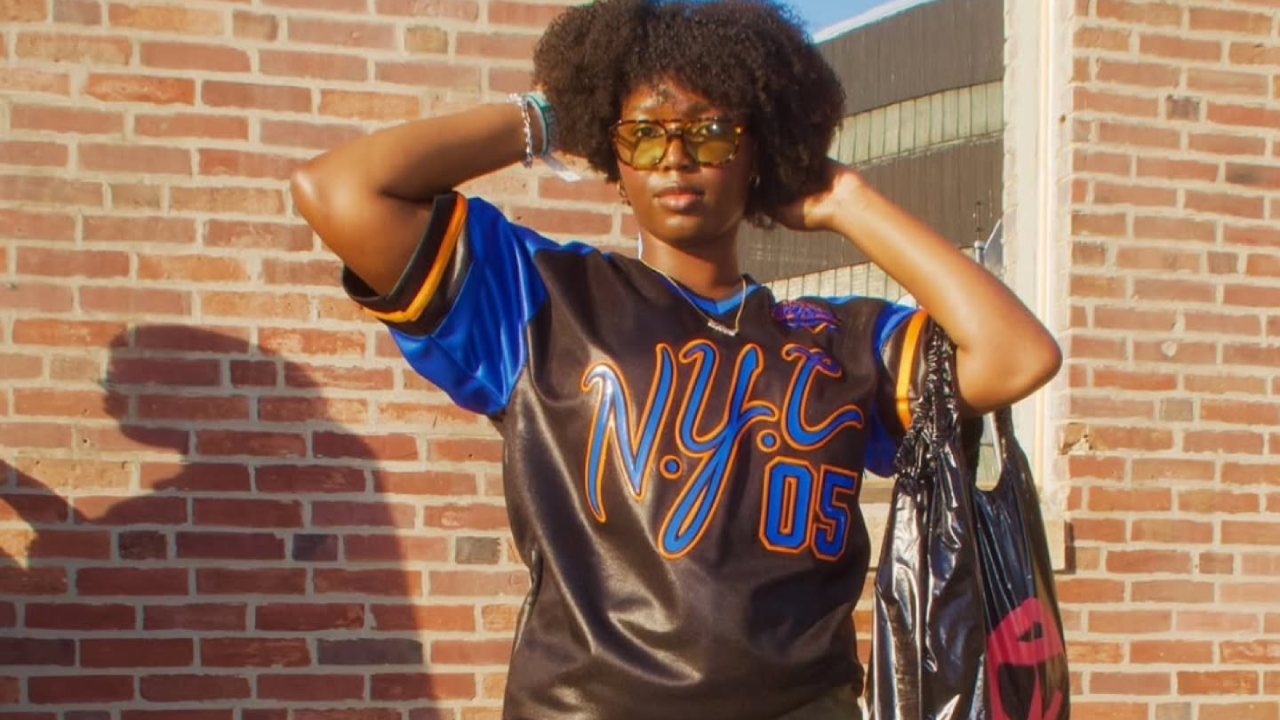
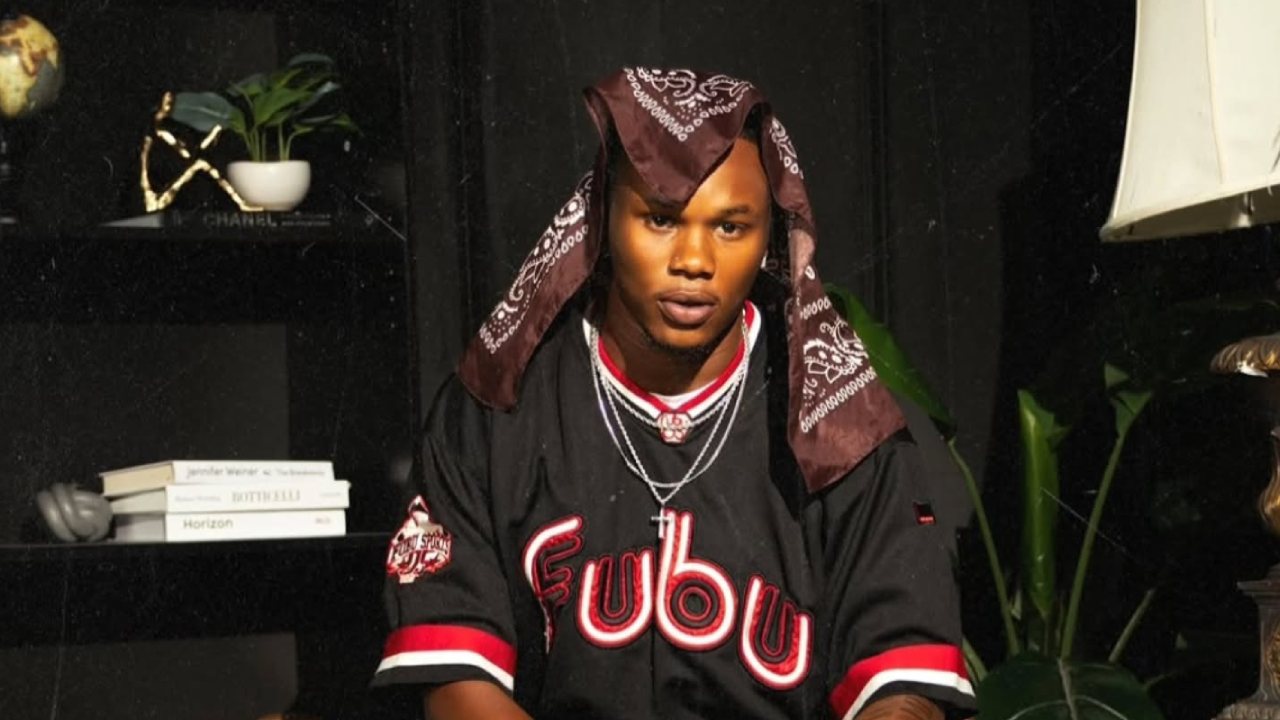
Nothing signals vintage streetwear outfits faster than an oversized sports jersey. Mesh fabric, bold numbering and a boxy cut do a lot of visual work on their own, which means everything else in the outfit should stay simple.
Wear a jersey over a long-sleeve tee or turtleneck for cooler months, tuck the front half into straight-leg jeans, and let the back hang loose. Keep denim mid-wash or dark so the jersey stays the focal point. This is one of the easiest wins in any outfit built this way, because the garment already does the styling for you.
Hoodies and Graphic Tees for Everyday Wear
Not every day calls for a jersey moment. A heavyweight hoodie with an embroidered logo or a graphic tee with a faded print covers the more casual end of this look, and both work as layering pieces under a denim jacket.
FUBU’s hoodies and tees are built with that logo-forward, slightly oversized fit that reads Y2K without looking dated. Size up one from your usual fit for the boxier silhouette, and let the sleeves sit a little past the wrist. That extra inch of fabric is what makes the difference between a generic hoodie and one that fits the Y2K silhouette.
Denim Jackets and Layering for Colder Months
A denim jacket is the connective piece that pulls a lot of vintage streetwear outfits together once temperatures drop. Worn open over a jersey or a graphic tee, it adds structure without covering up whatever’s underneath.
Go for a washed finish over a raw one, since the faded look matches the rest of the aesthetic better. Layer it over a hoodie for extra warmth on colder days, and let the jacket stay slightly oversized rather than fitted at the shoulder. That looseness is part of what makes the outfit feel authentic rather than costumey.
Color and Logo Placement
Vintage streetwear outfits from this era favor bold, saturated colors and large embroidered logos over subtle branding. Think navy, red, cream and washed indigo, paired with one standout color rather than five competing tones.
Keep logo placement to one or two spots per outfit, chest and sleeve are usually enough. If your jersey already has bold numbering, keep the jeans and jacket plain so the whole look doesn’t fight itself. This restraint is honestly the part most people skip, and it’s the difference between looking styled and looking cluttered.
A Simple Framework: The 60/30/10 Rule
Here’s a practical way to plan outfits like these without overthinking it: 60 percent of the outfit should be your base layer (tee, jersey or hoodie), 30 percent should be your bottom (denim or carpenter pants), and 10 percent should be your outer layer or accent piece (denim jacket, contrast cap, or a second logo detail).
This ratio keeps proportions balanced so nothing overwhelms the rest. It also gives you a quick checklist when you’re shopping FUBU’s range: pick your 60 percent piece first, build the 30 percent around it, then decide if you need that final 10 percent layer at all.
| Outfit Element | Role | FUBU Category |
|---|---|---|
| Base layer | Tee, jersey, or hoodie (60%) | Shirts, Jerseys, Hoodies |
| Bottom | Denim or cargo/carpenter pants (30%) | Jeans |
| Outer layer | Jacket or accent piece (10%) | Denim Jackets |
Putting It Together for 2026
The easiest way to start building vintage streetwear outfits is to pick one anchor piece you already love, whether that’s a jersey, a hoodie or a pair of carpenter pants, and build outward from there. Check out FUBU for the full range if you want to see how the pieces work together across categories.
If you’re still narrowing down your denim shape, our guide on styling baggy jeans for men in 2026 goes deeper into fit and stacking. And for a broader set of outfit combinations beyond just denim, our Y2K outfit ideas for 2026 piece rounds up more full-fit examples.
Frequently asked questions
What defines vintage streetwear outfits in 2026?
This look combines oversized or boxy silhouettes, washed denim, embroidered logos and sports-inspired pieces like jerseys and carpenter pants. It favors texture and proportion over tight, minimal fits.
Are baggy jeans still part of this look this year?
Yes, straight and slightly baggy denim remain core to the style in 2026, along with carpenter and cargo pants for a more workwear-influenced bottom option.
How do I wear an oversized jersey without looking sloppy?
Tuck the front into your jeans, keep denim a plain wash, and pair with simple, dark bottoms so the jersey stays the focal point instead of competing with other patterns.
Can women build these outfits from the same pieces?
Yes, FUBU carries a small range of ladies pieces alongside the main lineup, and many of the oversized jersey and hoodie styles work well styled for women too.
What’s the easiest single piece to start a Y2K-inspired outfit with?
An embroidered hoodie or a washed denim jacket is usually the easiest starting point since both pair with almost any tee, jersey or jean combination already in your closet.